
Find the Best Supplier for Your Business Needs
The Ultimate Guide to Finding the Best Supplier for Your Business Needs
Whether you’re launching a brand-new startup or scaling an established enterprise, your business is only as strong as its supply chain. The suppliers you choose dictate the quality of your products, your profit margins, your shipping times, and ultimately, your customer satisfaction.
Choosing the wrong supplier can lead to delayed shipments, subpar quality, and a damaged reputation. On the flip side, the right supplier partnership can act as a catalyst for explosive growth.
So, how do you find the best supplier for your specific business needs? Here is a step-by-step guide to navigating the search and securing a partner that sets you up for success.
1. Define Your Requirements (Before You Start Searching)
Before you type a single query into a search engine, you need absolute clarity on what you need. Vague requirements lead to mismatched partners.
Write down a detailed spec sheet that includes:
- What you are buying: Exact product specifications, materials, or services needed.
- Volume: How much do you need initially, and what is your projected growth over the next 1–3 years?
- Budget: What is your target cost per unit, and what are your payment term expectations (e.g., Net 30, Net 60)?
- Timeline: When do you need samples, production runs, and final deliveries?
2. Know Where to Look
Depending on your industry, suppliers can be found in a variety of places. Here are the most common avenues:
- B2B Marketplaces: Platforms like Alibaba, ThomasNet, Global Sources, and Faire are great for discovering thousands of local and international manufacturers and wholesalers.
- Trade Shows: Attending industry-specific trade shows allows you to meet suppliers face-to-face, inspect product quality firsthand, and build personal rapport.
- Industry Associations & Directories: Many industries have specialized directories that vet suppliers for quality and compliance.
- Google & Competitor Research: Sometimes, a targeted Google search or looking at the packaging/tags of non-competing brands in your niche can point you toward reputable suppliers.
3. Vet and Shortlist Potential Suppliers
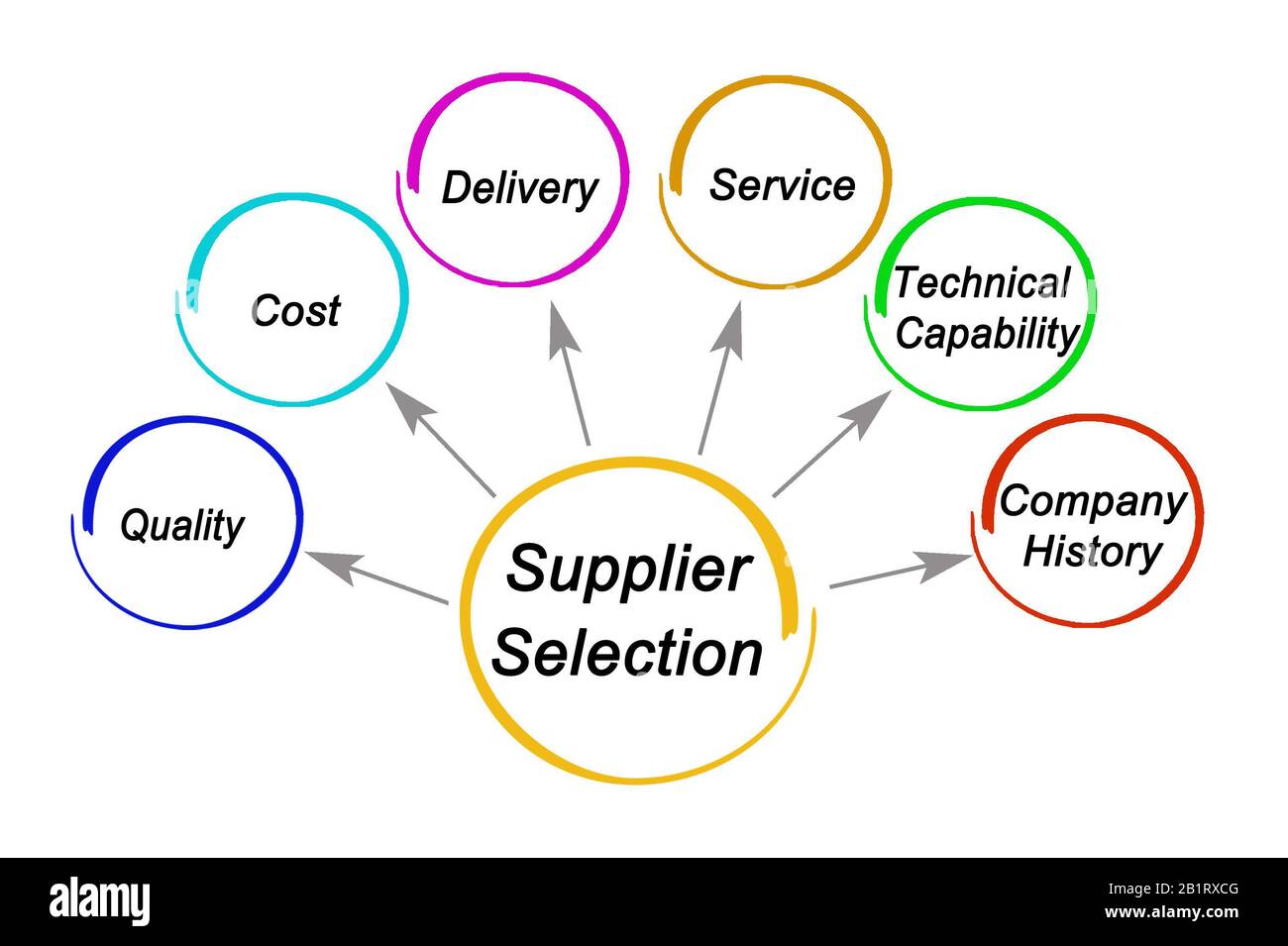
Once you have a list of 5 to 10 potential suppliers, it’s time to narrow it down. Don't just look at the price tag. Evaluate them based on the following criteria:
- Reliability and Track Record: How long have they been in business? Can they provide client references or case studies?
- Communication: How quickly do they respond to your inquiries? Are they transparent, or do they dodge direct questions? Good communication is vital when issues arise.
- Scalability: Can this supplier handle your growth? If your sales double next quarter, will they be able to keep up with production without sacrificing quality?
- Ethical and Legal Compliance: Ensure they adhere to labor laws, environmental regulations, and safety standards. A scandal involving your supplier’s supply chain quickly becomes your scandal.
4. Request Samples and Test Quality
Never commit to a bulk order without seeing and testing a physical sample first. Pictures and digital specs can be deceiving.
When your samples arrive, put them through the paces:
- Do they meet your quality standards?
- How do they hold up under stress testing?
- Is the packaging secure and professional?
If possible, order samples from your top three suppliers and compare them side-by-side.
5. Negotiate Terms and Protect Your Business
Once you’ve found a supplier that checks all the boxes, it’s time to negotiate the contract. Protect your business by ensuring the following are ironed out in writing:
- Pricing and Minimum Order Quantities (MOQs): Can you start with a lower MOQ to test the market, with tiered pricing as you order more?
- Lead Times: What are the consequences if they miss a delivery deadline?
- Quality Control: What is the process for returning defective goods or getting refunds?
- Exclusivity: If you are designing a custom product, can you secure exclusivity so they don't sell your design to competitors?
6. Build a Long-Term Relationship
Finding a great supplier is only half the battle; maintaining the relationship is where the real value lies. Treat your suppliers as partners, not just vendors. Pay your invoices on time, communicate forecast changes well in advance, and provide constructive feedback.
When you treat a supplier well, you move to the top of their priority list. In times of industry shortages or shipping crises, loyal, well-treated clients are almost always the ones who get taken care of first.