
How Much Does a Water Dispenser Cost?
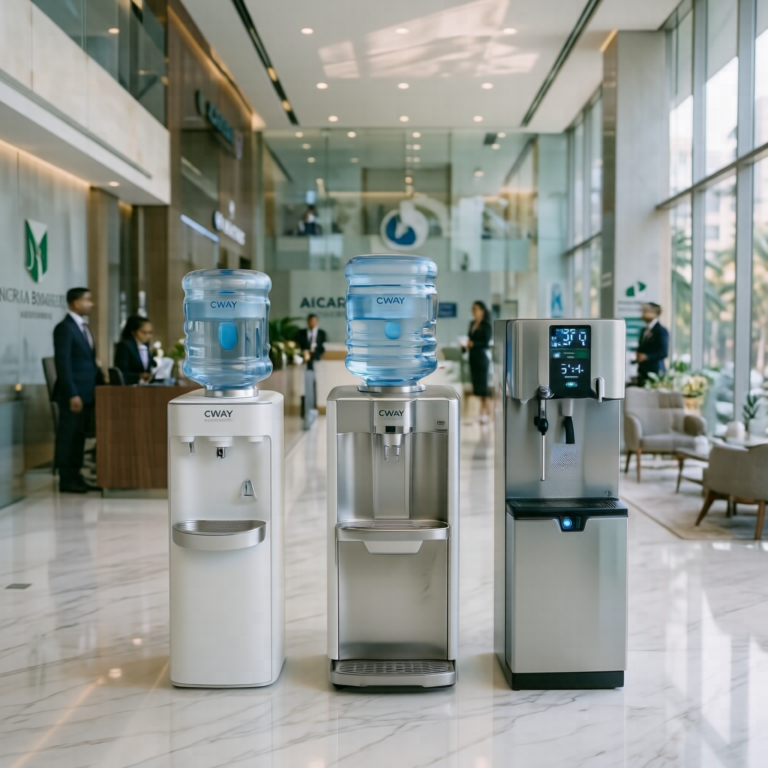
How Much Does a Water Dispenser Cost?
Hydration is key to health, and having a water dispenser in your home or office is one of the easiest ways to ensure you always have access to clean, cold, and hot water. But if you’re in the market for one, you’ve probably asked yourself: How much is this actually going to cost me?
The short answer is that water dispensers can range anywhere from $40 to over $1,000. The huge price gap comes down to a few key factors: the type of dispenser, how it gets its water, extra features (like ice makers or sparkling water), and ongoing maintenance costs.
Let’s break down the costs so you can find the right dispenser for your budget and lifestyle.
1. Types of Water Dispensers & Their Price Ranges
A. Countertop Water Dispensers ($40 – $150)
If you’re tight on floor space or live in a small apartment, dorm, or RV, a countertop model is ideal.
- Pros: Compact, lightweight, and affordable.
- Cons: Usually holds smaller jugs (or requires manual filling) and offers basic hot/cold functionality without fancy extras.
B. Bottom-Loading Water Dispensers ($150 – $300)
Bottom-loading dispensers are currently the most popular choice for homes. Instead of lifting a heavy 5-gallon jug to the top, you simply slide it into the cabinet at the base of the unit.
- Pros: No heavy lifting; sleek, hidden-jug design.
- Cons: Slightly more expensive than top-loading models; requires electricity to pump the water up.
C. Top-Loading Water Dispensers ($100 – $200)
The classic office-style dispenser. You flip a 5-gallon jug upside down onto the top of the machine.
- Pros: Usually the most budget-friendly full-size option; highly reliable.
- Cons: Lifting a heavy jug can be a struggle (and a spill risk); less aesthetically pleasing.
D. Bottleless (Point-of-Use) Dispensers ($300 – $800+)
Bottleless dispensers hook directly into your home’s water line. While they require professional installation (or some DIY plumbing skills), they save you from ever having to buy or lift heavy water jugs again.
- Pros: Endless supply of water; no heavy jugs; cheaper in the long run if you drink a lot of water.
- Cons: Higher upfront cost; requires a nearby water source; needs regular filter replacements.
E. Specialty & Luxury Dispensers ($600 – $1,200+)
These are high-end machines that do more than just dispense hot and cold water. Many include built-in ice makers, sparkling water carbonators, or advanced multi-stage filtration systems (like Reverse Osmosis).
- Pros: Ultimate convenience (hot, cold, ice, and sparkling water from one machine).
- Cons: Very expensive upfront; more complex parts that could potentially break down.
2. The Hidden Costs: What to Budget Beyond the Machine
When calculating the cost of a water dispenser, don't forget the ongoing expenses:
- Electricity: Most modern dispensers are fairly energy-efficient, costing around $2 to $5 per month in electricity, especially if you turn off the hot water tank when you aren't using it.
- Water Jugs & Delivery: If you use a traditional bottled dispenser, 5-gallon jugs typically cost $6 to $8 each to refill at a grocery store, or $10 to $15 each if you use a delivery service like Primo or Culligan. Assuming a household goes through four jugs a month, that’s an extra $24 to $60 monthly.
- Replacement Filters: If you buy a bottleless or filtered dispenser, you’ll need to replace the filters every 6 to 12 months. Filters generally cost $30 to $100 per year.
3. Which One Should You Buy?
- On a strict budget? Go with a top-loading dispenser ($100–$150). Just be prepared to lift the jugs.
- For maximum convenience without breaking your back? Choose a bottom-loading dispenser ($150–$300). It’s the sweet spot for most families.
- For ultimate convenience and no heavy lifting? Invest in a bottleless dispenser ($300–$600). Over time, you’ll save money by skipping bottled water deliveries entirely.