
What Are the Best Water Dispensers for Office Use?
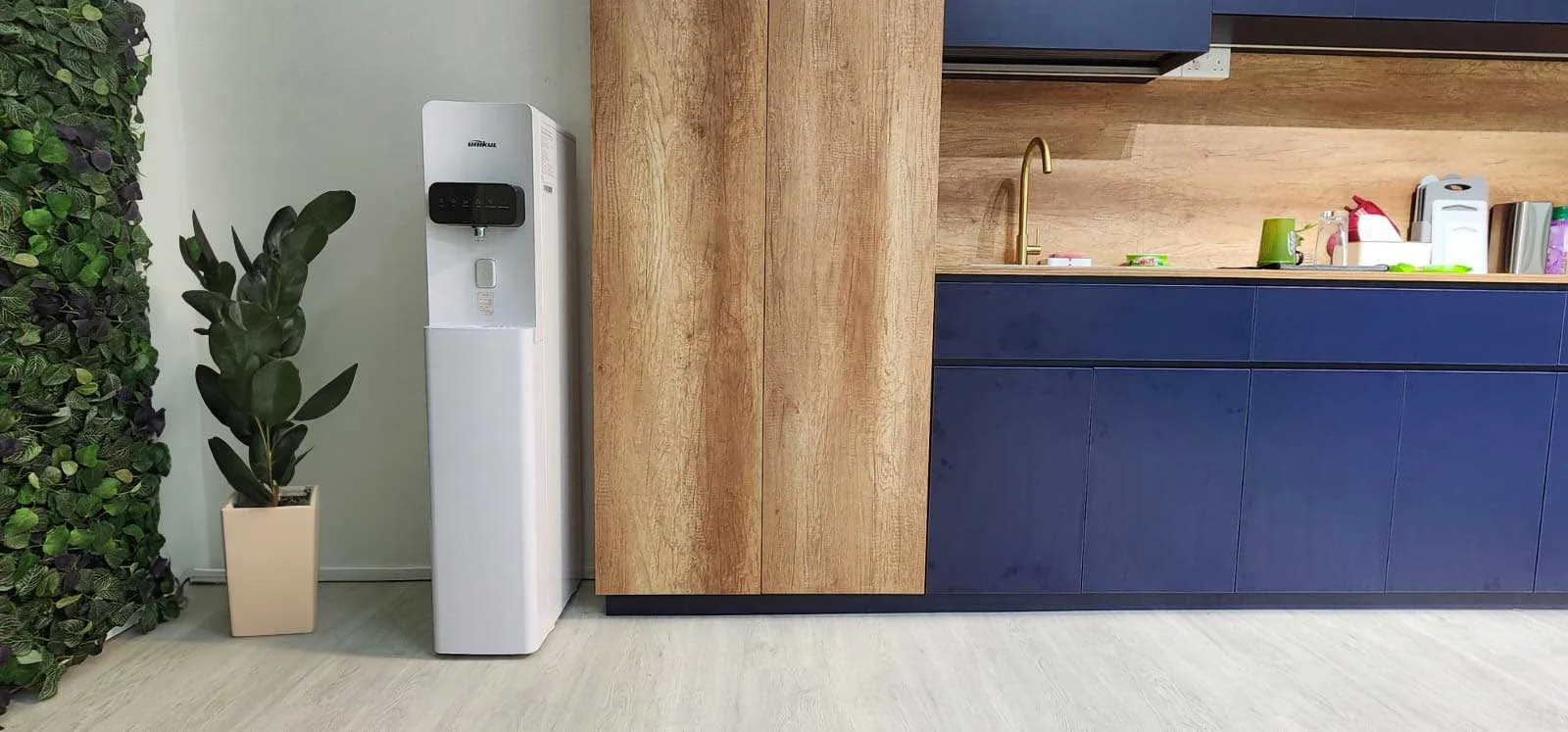
What Are the Best Water Dispensers for Office Use?
Let’s be honest: the office water cooler isn’t just an appliance; it’s the unofficial social hub of the workplace. It’s where Monday morning recaps happen, project brainstorms are sparked, and desperate caffeine-deprived employees stare blankly while waiting for their afternoon cup of tea.
Beyond office gossip, keeping your team hydrated is essential for productivity, focus, and overall well-being. But with so many options on the market—from traditional jug-flipping monsters to sleek, touchless countertop marvels—how do you choose the right one for your office?
Let’s break down the best types of water dispensers for office use, what features to look for, and top picks for different office vibes.
The 3 Main Types of Office Water Dispensers
Before choosing a specific model, you need to decide how you want your water delivered.
1. Bottom-Loading Dispensers (The Employee Favorite)
- How it works: Instead of lifting a heavy 5-gallon jug to the top, you slide it into a cabinet at the base of the unit, and a pump pulls the water up.
- Pros: No heavy lifting or back injuries; sleek, modern look since the jug is hidden.
- Cons: Requires electricity to pump the water (won't work in a power outage); you still have to store and replace empty jugs.
2. Bottled-Less / Point-of-Use (POU) Dispensers (The Low-Maintenance Choice)
- How it works: These hook directly into your office’s main water line and filter the tap water on demand.
- Pros: Endless supply of water (no running out mid-meeting); zero heavy jugs to lift or store; usually features advanced multi-stage filtration.
- Cons: Requires professional installation; fixed location (wherever the water line is).
3. Countertop Dispensers (The Space Saver)
- How it works: Smaller versions of standard dispensers designed to sit on a breakroom counter or table. Available in both bottled and bottle-less options.
- Pros: Compact; great for small offices, breakrooms with limited floor space, or executive suites.
- Cons: Smaller capacity; fewer temperature options compared to full-sized units.