
What Should You Look for in a Water Filter Supplier?
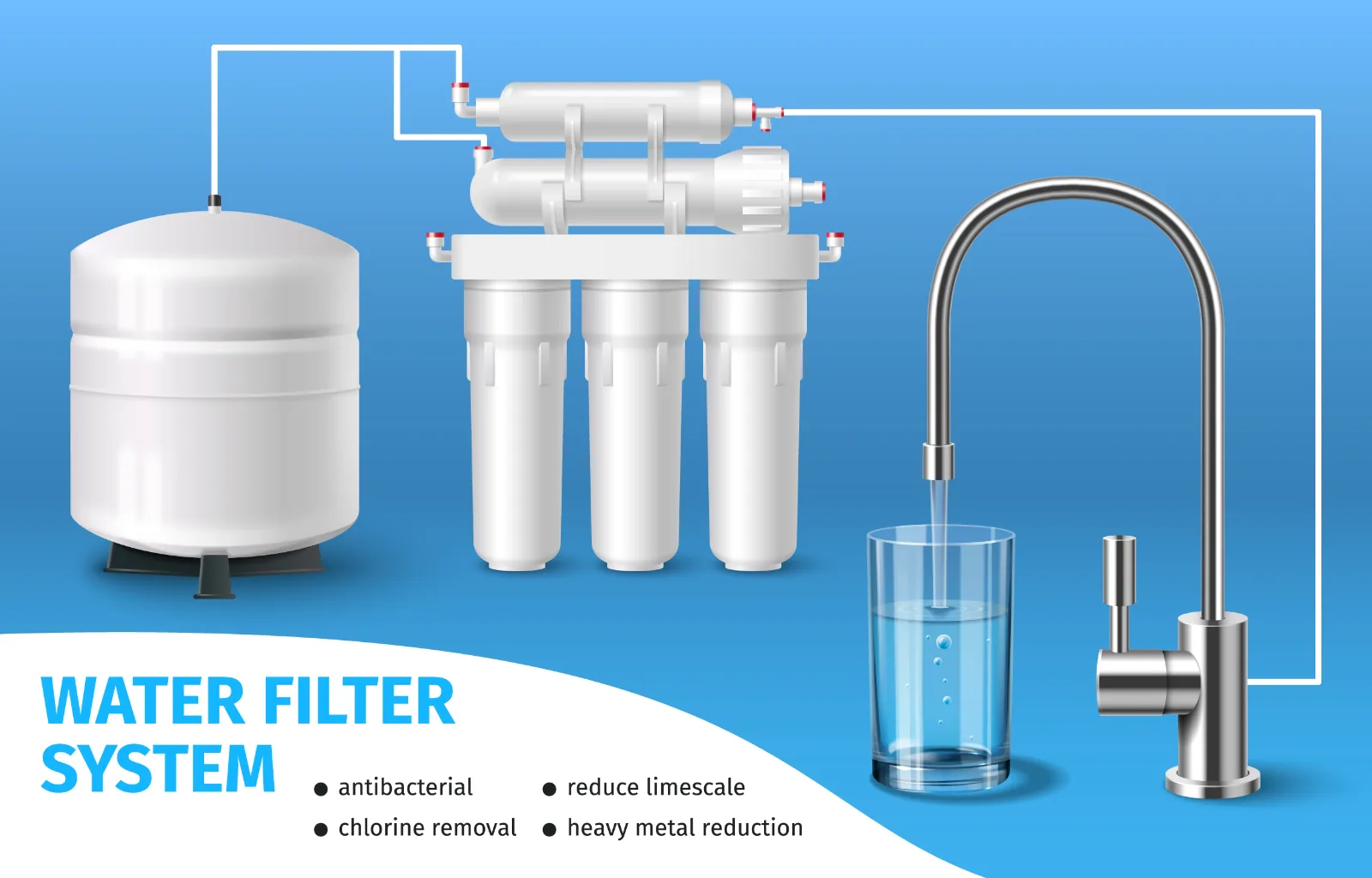
What to Look for in a Reliable Water Filter Supplier
Whether you’re sourcing filtration systems for a bustling commercial enterprise, a municipal project, or outfitting a residential product line, choosing the right water filter supplier is a decision that directly impacts health, safety, and your bottom line.
With so many manufacturers and distributors on the market, how do you separate the industry leaders from the rest?
Not all water filters—and not all suppliers—are created equal. To help you navigate the marketplace, here is a comprehensive guide on what you should look for when choosing a water filter supplier.
1. Rigorous Certifications and Compliance
Water is a sensitive consumable. You can’t simply take a supplier’s word that their filters work; you need independent, third-party verification.
When evaluating a supplier, look for products certified by recognized industry standards, such as:
- NSF/ANSI Standards: (e.g., Standard 42 for aesthetic effects like chlorine taste/odor, Standard 53 for health-related contaminants, and Standard 58 for Reverse Osmosis systems).
- WQA (Water Quality Association) Gold Seal: A marker of excellence in the water treatment industry.
- ISO 9001: Indicates that the supplier adheres to strict quality management principles in their manufacturing processes.
Always ask for documentation and test reports to back up their filtration claims.
2. A Diverse and Technologically Advanced Product Range
Water contamination isn’t one-size-fits-all. Municipal water might just need basic carbon filtration for taste, while well water could require UV sterilization, heavy metal reduction, or water softening.
A top-tier supplier should offer a comprehensive catalog that addresses various needs, including:
- Activated Carbon Filters
- Reverse Osmosis (RO) Systems
- Ultrafiltration (UF) and Nanofiltration
- UV Disinfection Systems
- Sediment Filters
- Specialized media (for fluoride, arsenic, or hard water)
Furthermore, the supplier should stay updated with modern water filtration trends, such as PFAS ("forever chemicals") reduction technologies and smart-monitoring filter systems.
3. Customization and OEM/ODM Capabilities
If you are looking to brand water filters as your own (Private Label/OEM) or need a bespoke filtration system built for a specific industrial application, standard off-the-shelf products won't cut it.
A great supplier should offer flexibility. Look for partners who provide:
- Custom sizing and engineering support.
- Private labeling and custom packaging.
- The ability to scale production based on your demand fluctuations.
4. Technical Support and Expertise
The water treatment industry is complex. Specifications, flow rates, pressure drops, and micron ratings can be overwhelming.
Your supplier shouldn’t just be a warehouse that ships boxes; they should act as a technical partner. Look for a team that includes water quality experts, engineers, or knowledgeable customer service representatives who can:
- Help you diagnose specific water quality issues.
- Recommend the correct filtration media or system design.
- Assist with troubleshooting installation or performance issues.
5. Supply Chain Reliability and Scalability
In today’s global market, supply chain disruptions can bring a business to a halt. You need a supplier with a proven track record of reliability.
Consider the following:
- Inventory Levels: Do they keep popular items in stock, or is everything made-to-order with long lead times?
- Global Logistics: Can they ship reliably to your location, and do they have experience with international customs and compliance (if applicable)?
- Scalability: As your business grows, can the supplier scale their production capacity to meet your increasing volume without sacrificing quality?
6. Transparent Pricing and Strong Warranties
Price is always a factor, but the cheapest filter is rarely the best value. Low-quality filters often clog prematurely, bypass contaminants, or fail catastrophically, leading to costly liabilities.
Look for a supplier that offers:
- Transparent pricing structures: No hidden fees, clear volume-tier discounts, and predictable shipping costs.
- Solid warranties: A confident supplier stands behind the durability and performance of their products with robust manufacturer warranties.
- Cost-in-use value: Consider the lifespan of the filter cartridges, replacement frequency, and ease of maintenance, which contribute to the total cost of ownership.