
What to Ask a Dispenser Supplier Before Ordering
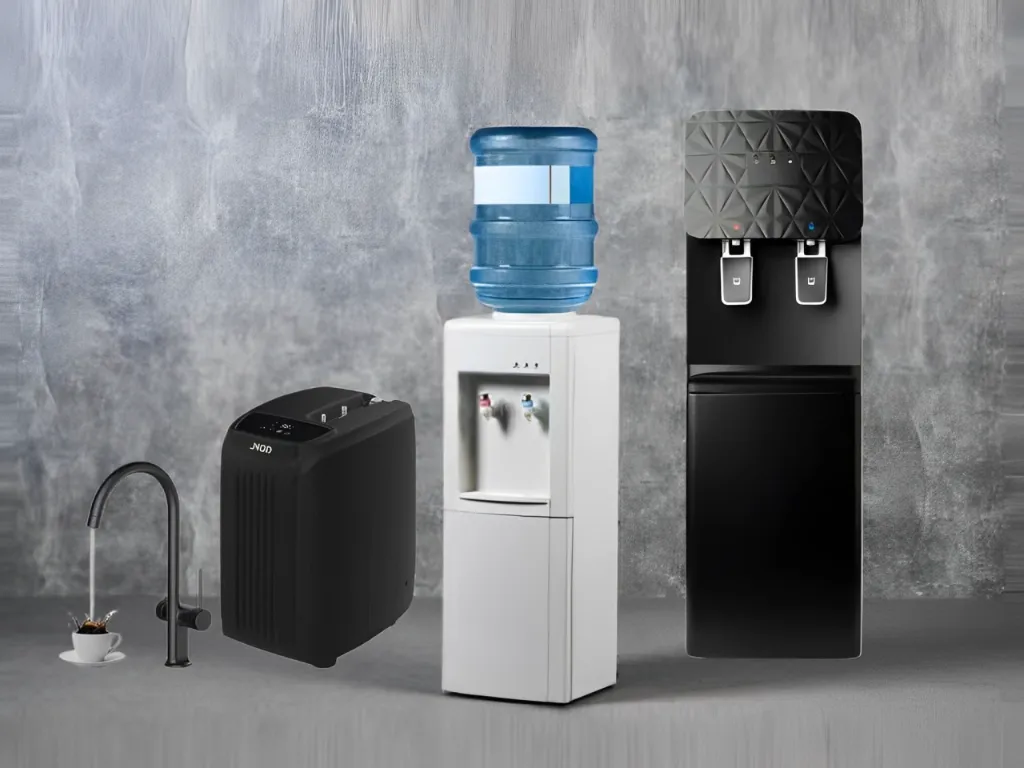
7 Crucial Questions to Ask Your Dispenser Supplier Before You Buy
Whether you’re running a bustling restaurant, managing a commercial office building, launching a new skincare line, or outfitting a chain of healthcare facilities, dispensers are one of those items you don’t think about until they don’t work.
Imagine ordering 500 soap or lotion dispensers, only to find out they leak, jam after a week of use, or don’t fit your custom bottle size. Talk about a logistical nightmare and a waste of budget.
To ensure your next procurement goes off without a hitch, you need to vet your supplier thoroughly. Before you sign on the dotted line or hit "place order," here are the seven most important questions you should ask your dispenser supplier.
1. "Can I get a physical sample?"
Never buy dispensers in bulk based solely on a digital rendering or a glossy catalog photo. Quality, weight, and pump action are tactile things.
- Why it matters: A sample allows you to test the physical build, check the flow rate, and ensure the look and feel align with your brand standards. If a supplier is hesitant to send a sample, treat it as a major red flag.
2. "Will this dispenser actually work with my product’s viscosity?"
Not all liquids are created equal. A pump designed for thin, watery hand sanitizer will likely clog, leak, or fail when paired with a thick conditioner, heavy body butter, or viscous dish soap.
- Why it matters: Be completely transparent with your supplier about what you are dispensing. Ask: Does this mechanism handle gel, foam, liquid, or spray? What is the maximum viscosity it can handle without failing?
3. "What is your Minimum Order Quantity (MOQ) and pricing tier?"
Suppliers often have vastly different pricing structures depending on volume. You need to know if their MOQ aligns with your actual needs, or if you’ll be forced to buy more than necessary just to get a decent price.
- Why it matters: Always ask about volume breaks. Is it cheaper at 500 units, 5,000 units, or 50,000 units? Also, factor in storage costs—buying in bulk to save a few cents per unit doesn't help if you don't have the warehouse space to store them.
4. "What are your lead times and shipping reliability?"
In the current supply chain landscape, "in stock" can mean drastically different things depending on the vendor.
- Why it matters: You need to know when the items will actually arrive at your facility. Ask: What is your current production lead time? Are these items in stock domestically, or are they shipping from overseas? What happens if there’s a shipping delay? Always build a buffer into your timeline.
5. "What is your defective rate and return policy?"
In any large manufacturing run of plastic or mechanical parts, a small percentage of defects is normal (usually industry standard is around 1% to 3%). However, you need to know what happens when things go wrong.
- Why it matters: If 5% of your dispensers arrive broken or fail immediately, will the supplier replace them free of charge? Clarify their warranty, replacement policy, and how they handle quality control issues before you place the order.
6. "Are these customizable (branding and color)? Are there sustainability options?"
If you are using these dispensers for retail packaging or branded commercial spaces, aesthetics matter.
- Why it matters: Can the supplier match your brand’s Pantone colors? Can they add a custom logo via hot stamping or silk screening? Furthermore, if your company has ESG (Environmental, Social, and Governance) goals, ask about PCR (Post-Consumer Recycled) plastic options, recyclable materials, or refillable systems.
7. "Do you offer replacement parts or long-term stock continuity?"
If you are installing permanent fixtures (like wall-mounted soap or paper towel dispensers in a building), you don't want to replace the entire unit just because one nozzle broke a year from now.
- Why it matters: For commercial hardware, ask if replacement pumps, keys, and internal valves are readily available. For retail packaging, ask if the supplier plans to discontinue this specific model anytime soon, as you’ll want consistency in your product line.